Material
Folding boxboard prints best and suits light units. Corrugated carries load and survives transit. The dividing line is weight against unsupported base span — not category.
Board and box materialsCustom printed display packaging
A display that holds your product approximately is a display whose front row leans within a week — and a leaning row stops selling. We draw a dieline around the real thing before you commit to anything.
Structure
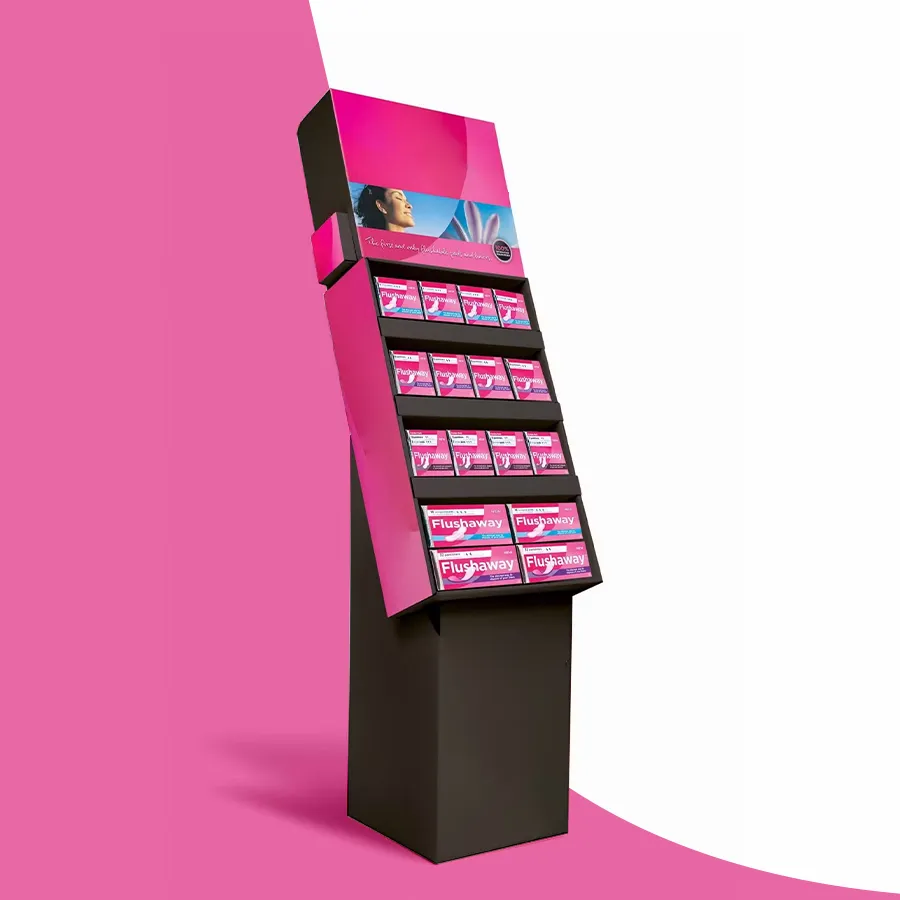
A display box is not a printed rectangle. The front panel sells, the side walls carry the load, the base decides whether the front row is still standing in a fortnight, and the header card is the only part a shopper sees from across an aisle. They are drawn together or they fight each other.
Where to start
Placement sets the footprint you are allowed and the angle a shopper views from, and both constrain everything downstream. It is the most useful first filter there is.
Small footprint, steep viewing angle, easiest placement to win. Build upward, not outward.
Planogram constrained, and increasingly governed by shelf-ready specifications from the chain.
Highest stock capacity, most negotiation, and the structure that has to carry its own load.
Display box styles
 Custom Display Boxes
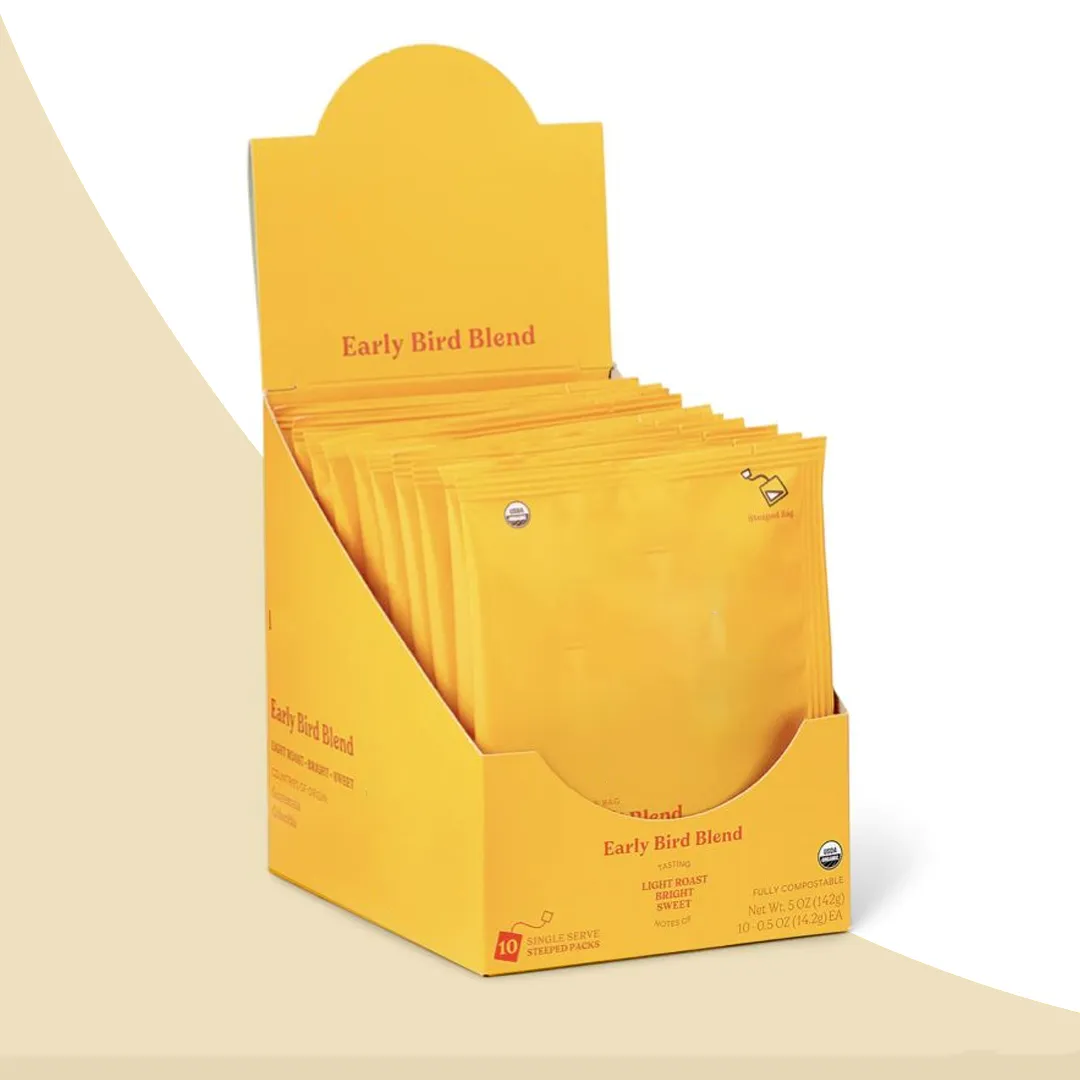
Buyer wants a display box built to their own dimensions and artwork and has not settled on a style yet.
 Retail Display Boxes
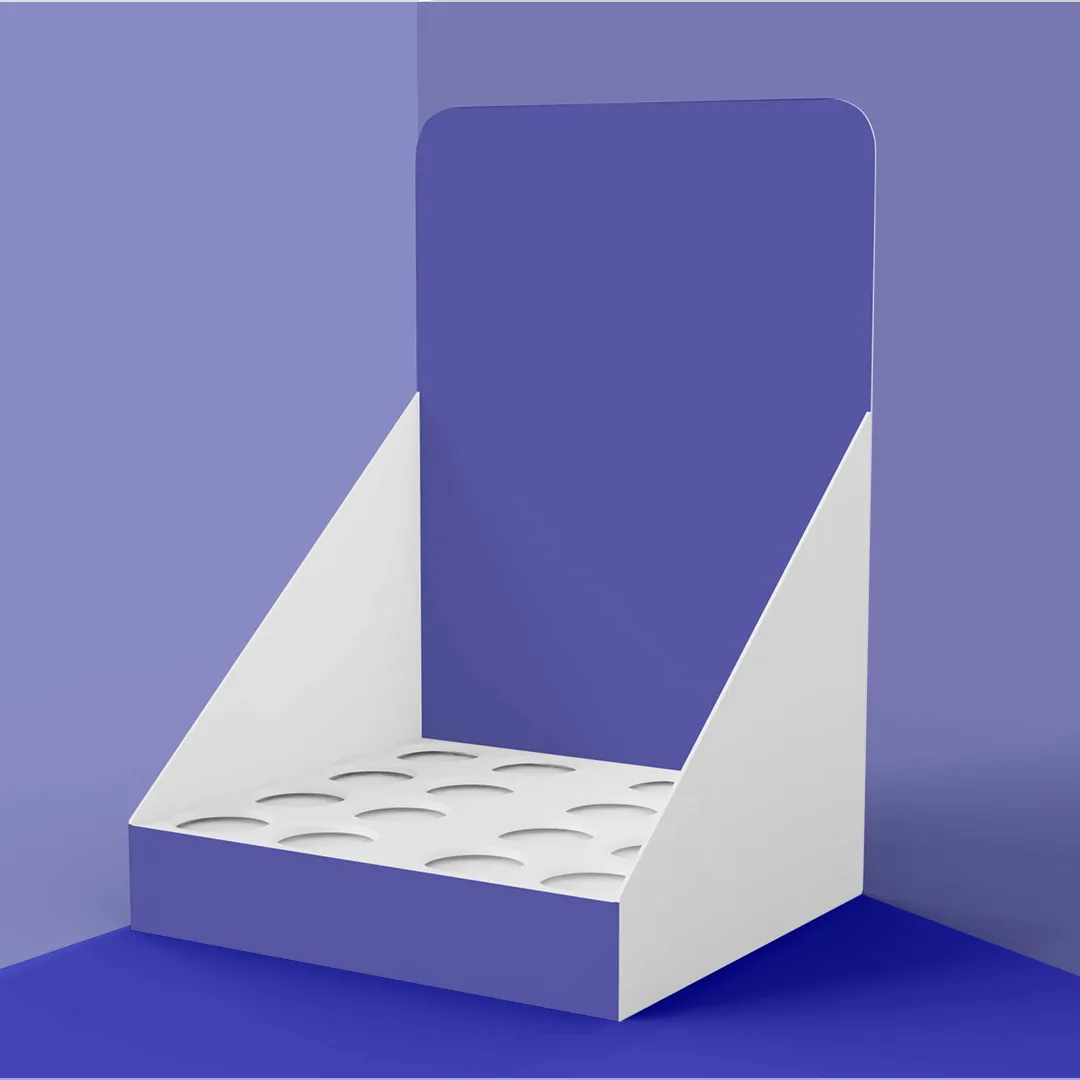
Buyer is preparing stock for a store environment and needs packaging that merchandises on shelf.
 Counter Display Boxes
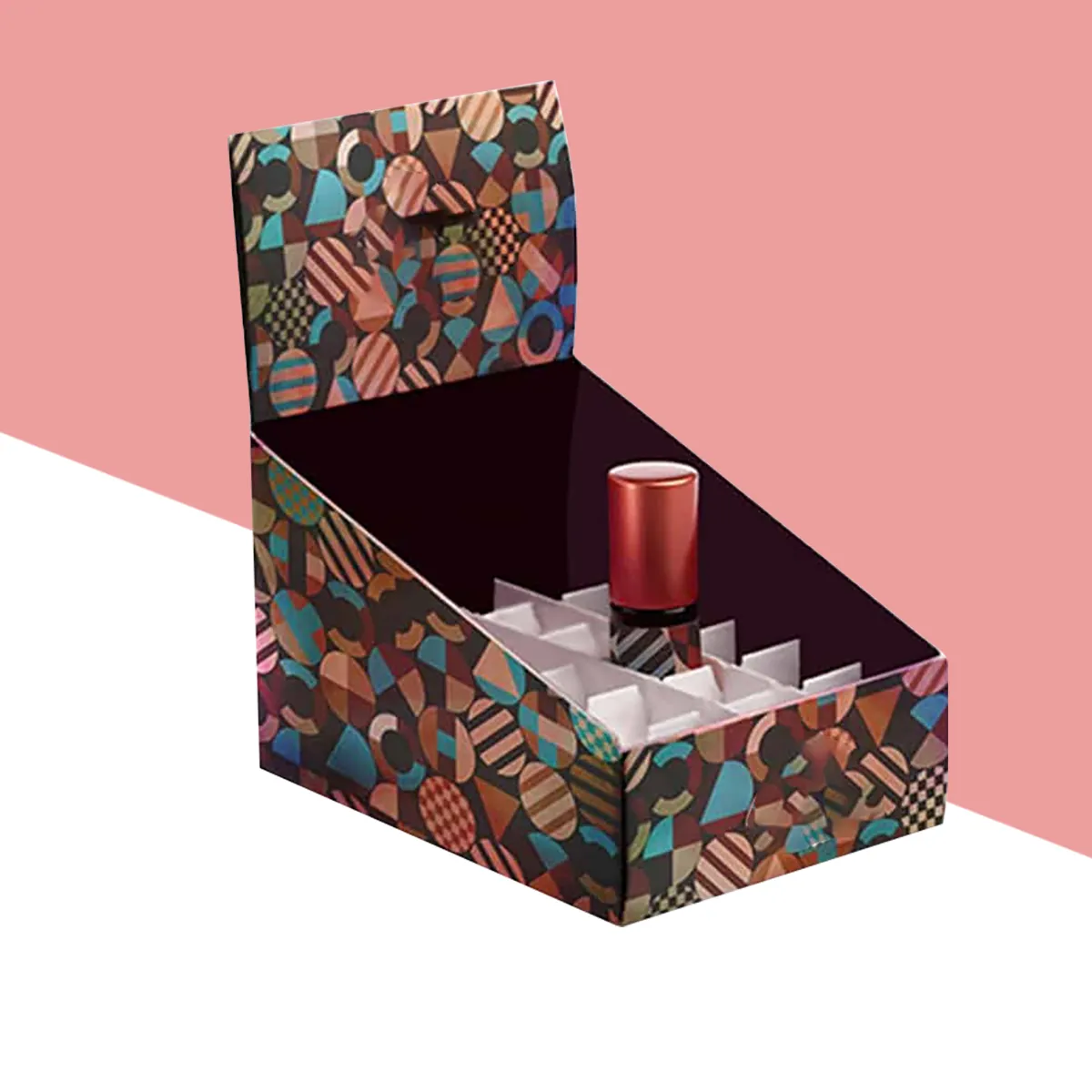
Buyer needs a compact box that earns a spot on a checkout counter with limited footprint.
Cardboard Display StandsBuyer needs a free-standing floor unit that holds weight through a full retail promotion.
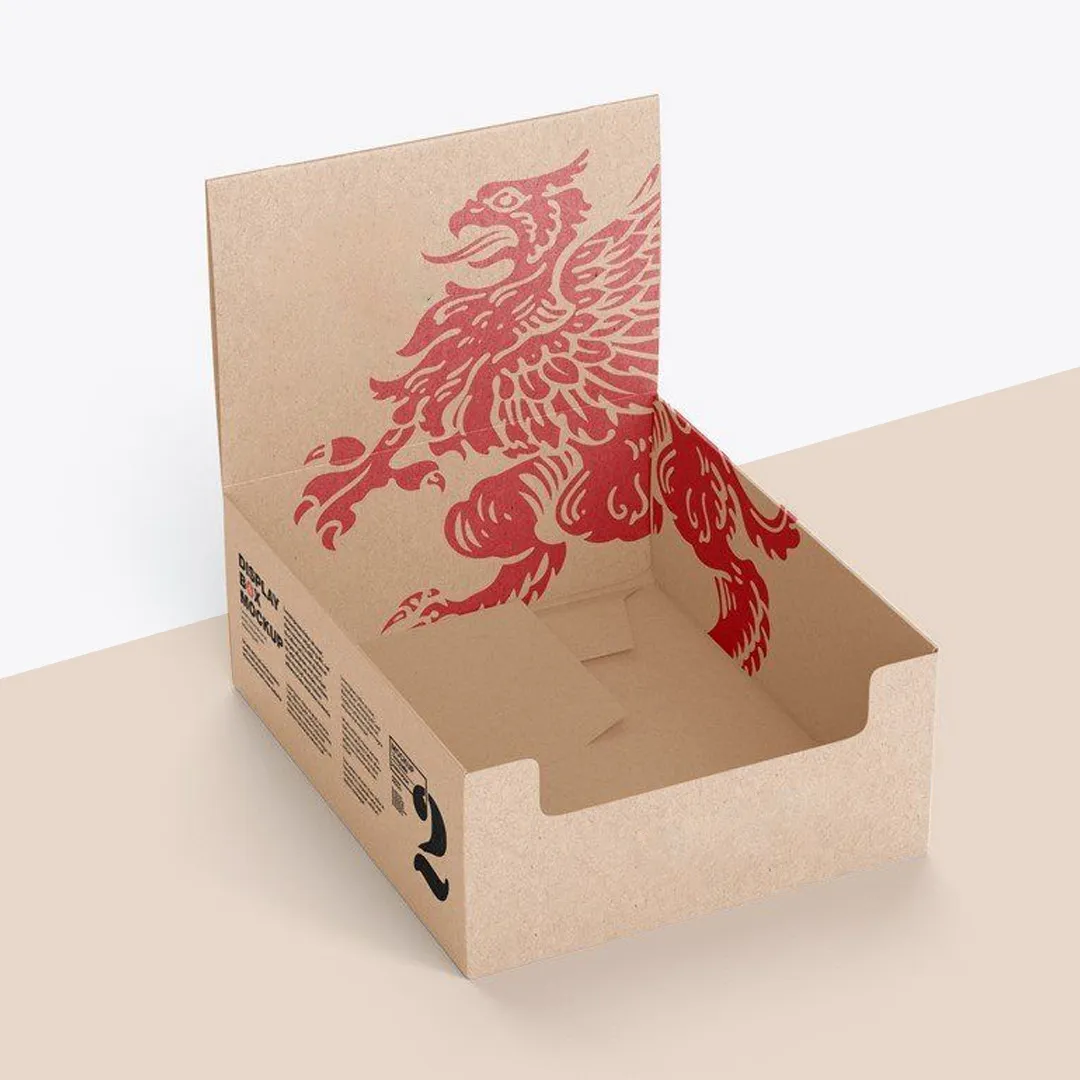 Cardboard Display Boxes
Buyer is choosing board stock and wants to know what folding boxboard can and cannot do.
 Corrugated Display Boxes
Buyer has weight or shipping demands that folding boxboard cannot carry.
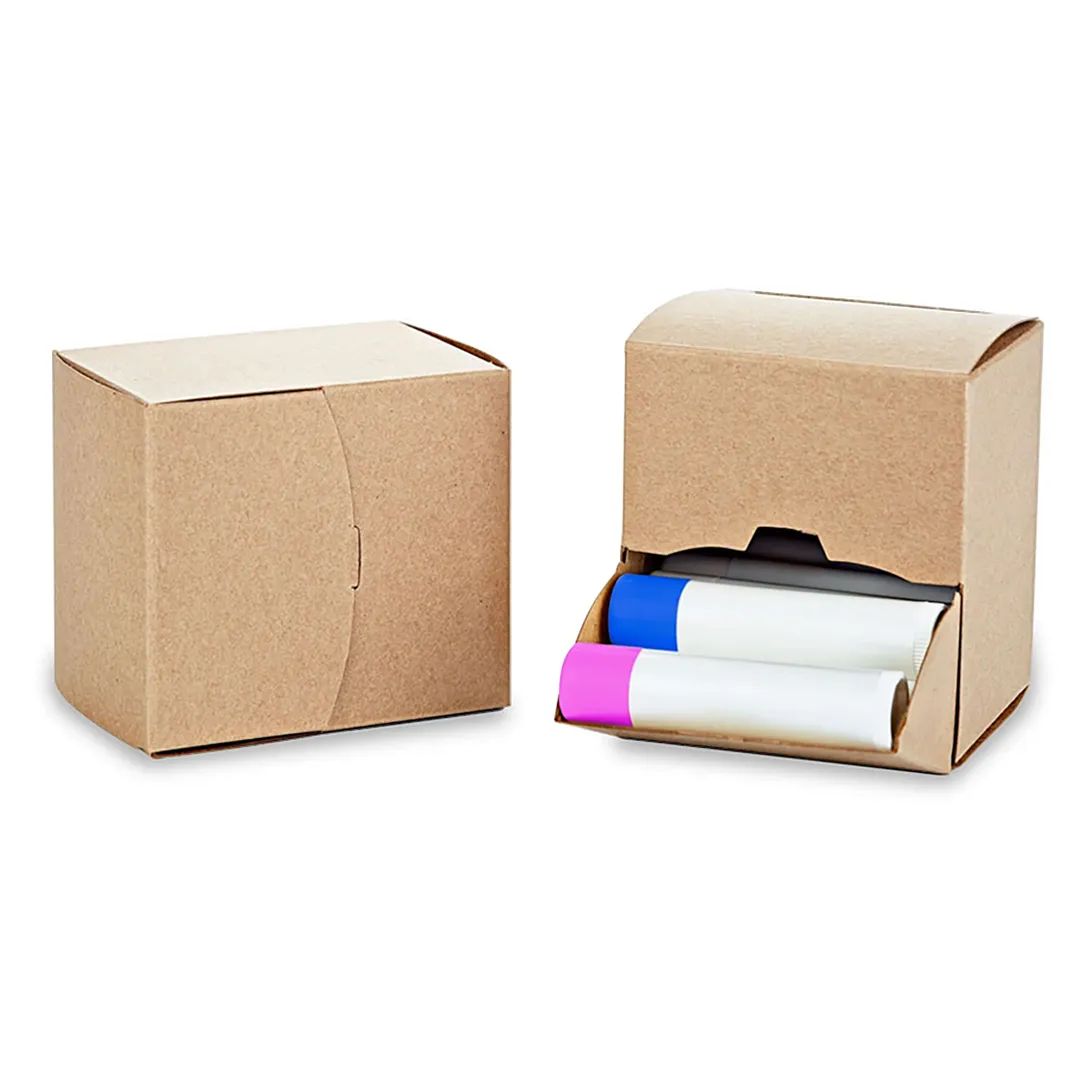 Cosmetic Display Boxes
Beauty brand needs display packaging that holds small, tall, tip-prone units upright.
All 25 styles are in the display packaging overview.
Industries
Glass weight for candles. Oil migration for soap. Food-contact coatings for bakery. Warning copy claiming panel space before design starts. The constraint changes by category.
Specification
Folding boxboard prints best and suits light units. Corrugated carries load and survives transit. The dividing line is weight against unsupported base span — not category.
Board and box materialsDigital removes plate setup and wins on short runs. Offset overtakes it at volume. Litho-lamination gives carton print quality on a shipper-grade structure.
Custom printing optionsA durability decision before a visual one — and the decision that determines whether the board stays in the paper recycling stream.
Finishes and add-onsMeasured at the widest point, which is usually the cap rather than the body. Internal dimensions are the ones that matter, and board thickness changes them.
Custom box sizesPricing and minimums
Price starts from $0.30 per piece for large volume orders. Final pricing depends on size, material, printing, and quantity.
The $0.30 figure is a starting point for qualifying large-volume orders, not a fixed price for every order. Smaller runs, complex structures, specialty board, and premium finishes all price higher.
Each cost driver is broken down in the guide to what custom display boxes cost.
Digital printing removes plate setup, which is what makes genuinely short runs viable. The actual minimum depends on structure, board, and print route — we confirm it with your quote rather than publishing a number that would not hold for every job.
Low minimum ordersProcess
The full sequence and what to check at each approval is under how ordering works.
What you get
We draw the dieline and check your file against it before press — bleed, safe area, resolution, color space, and whether live copy crosses a crease. Those are the faults behind most reprints, and all are cheap to fix beforehand.
Free design supportEvery production stage is checked against the approved proof rather than the stage before it, so a small drift cannot compound down the line. Displays with inserts get a loaded fit check before the run completes.
Our quality assurance processThe coating determines recyclability more than the board or its recycled content. If it is a requirement, settle it before choosing a finish — a film laminate takes board out of the paper stream in most municipalities.
Sustainable board optionsTo business addresses in all fifty states. Freight on display packaging is billed on volume rather than weight, which is why flat-packing changes the delivered cost so substantially.
Shipping and delivery informationWork

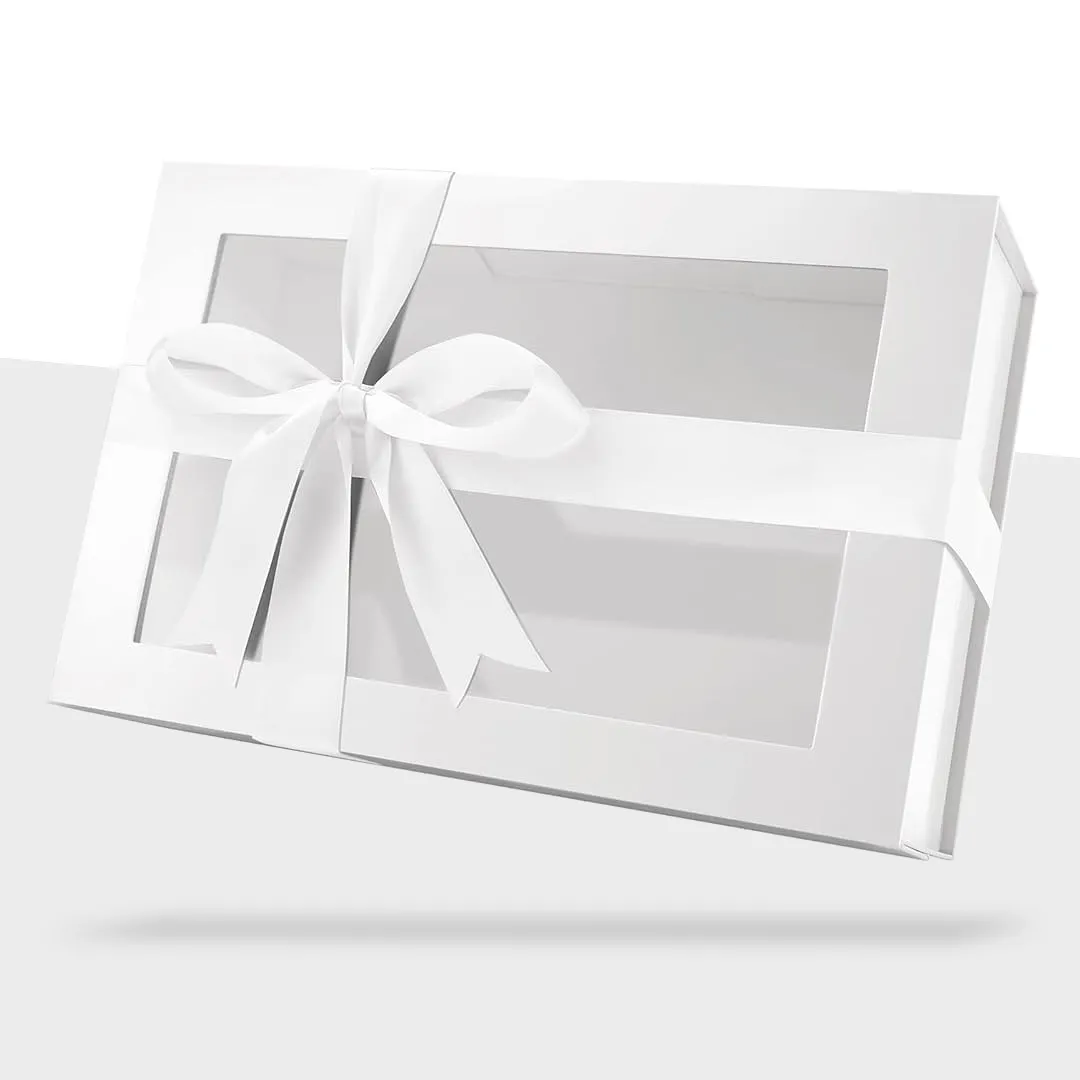
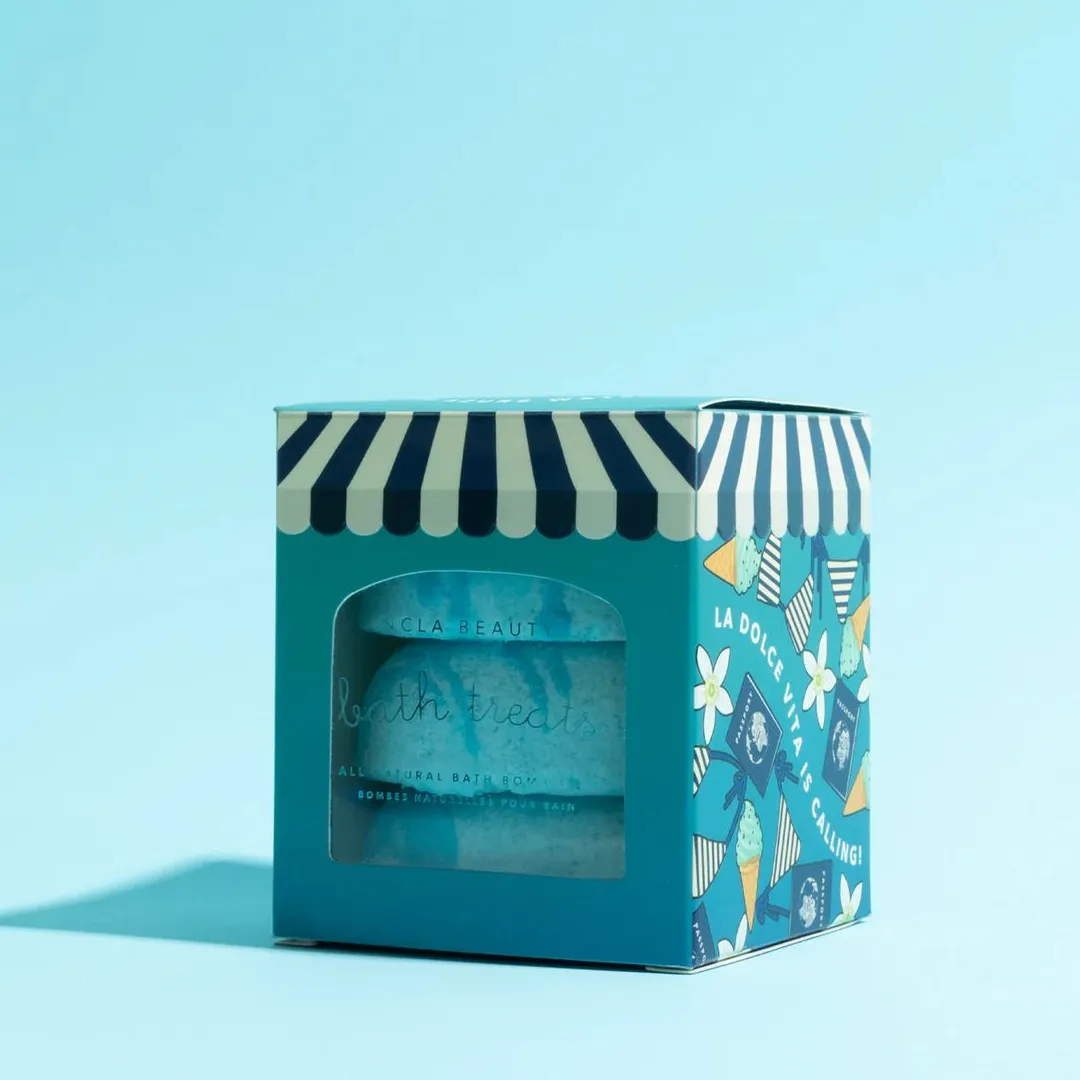
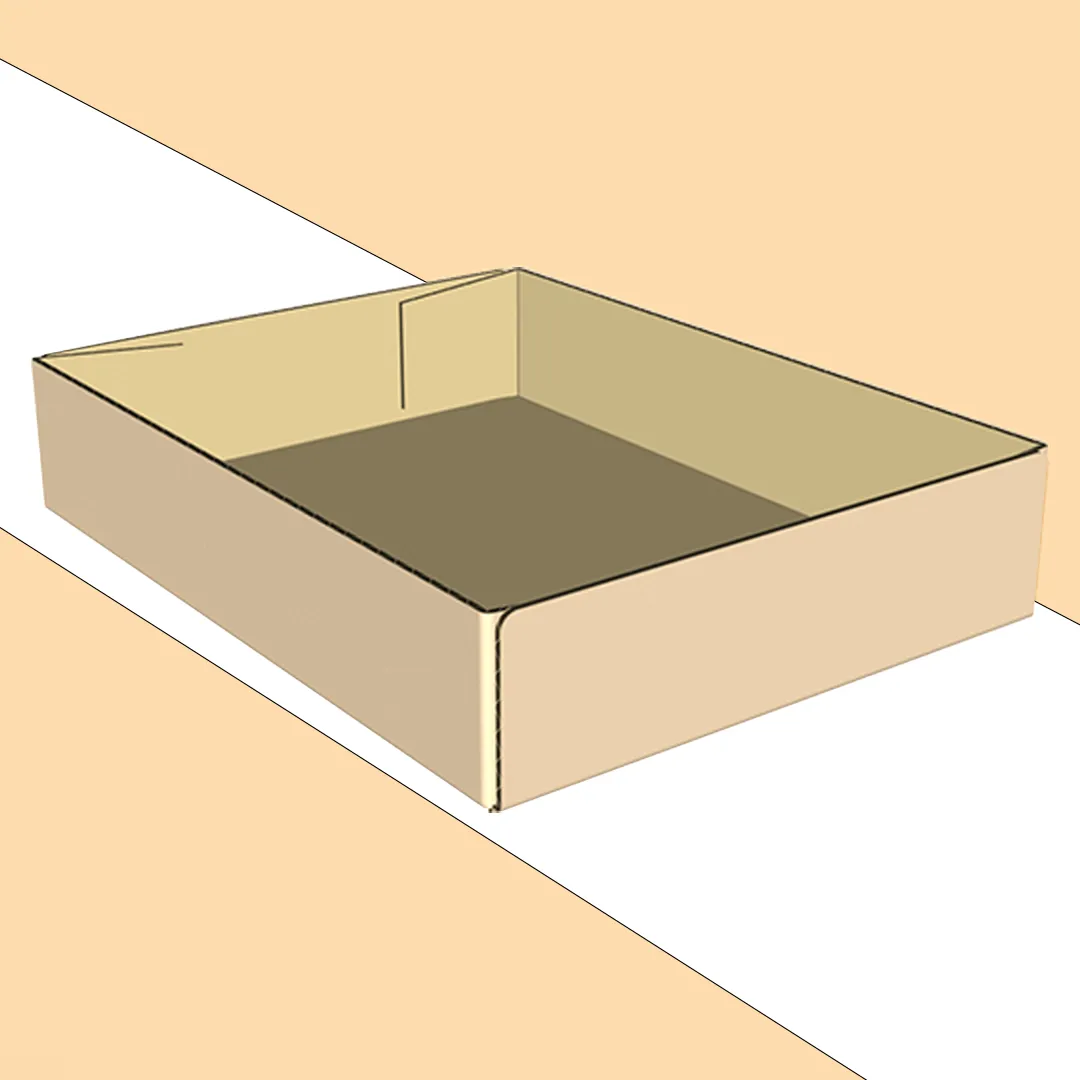
More in the our display box portfolio, organized by the constraint each structure had to solve.
Price starts from $0.30 per piece for large volume orders. Final pricing depends on size, material, printing, and quantity. Quantity is the largest single driver, because setup costs are fixed and spread across the run — which is why halving an order does not halve the invoice.
No. We draw a dieline around your product before you commit to anything, supplied as a layered vector file with cut, crease, and bleed on separate layers. It is yours to keep.
Minimum order is 100 units. Digital printing removes plate setup, which is what makes a run that short viable — expect a higher per-piece price at 100 than at volume, because fixed setup costs are spread across fewer pieces.
Load the display to its intended assortment, lift it by one edge, and watch the base. If it bows, you need corrugated. Then repeat the test after several days loaded — paperboard fails gradually, so day-one results mislead.
The product itself, or its dimensions at the widest point, plus a quantity and where the display will sit. For anything with a cavity insert, send a physical unit — spec sheets omit the cap flare and label thickness that decide fit.
To business addresses across all fifty states. We do not maintain offices, production facilities, or collection points in individual states or cities — everything is produced to order and shipped to you.
No, in any market. We print exactly the artwork you supply including ingredient lists, warnings, and safety marks, but responsibility for accuracy and regulatory compliance stays with you.
Not yet, and we are not publishing any until we have verified ones from real customers. There are no star ratings anywhere on this site, and none in its structured data either.
For anything with an insert, the dimensions that decide fit are the ones no spec sheet records. We will draw the dieline around the real thing and come back with a structure, a board, and a price.